

There are journeys that are quickly understood.
And others that need time.
These are journeys where the destination is not consumed, but inhabited. Where the experience is not measured by the quantity of things done, but by the way the place gradually reveals itself. In these cases, the landscape is not a backdrop, architecture is not an isolated object, and gastronomy is not a complement. Everything is part of the same story.
When this happens, the place stops being a point on the map and becomes an experience.
The territory as the origin of everything
Traveling with intention means understanding the territory before intervening in it. Reading the landscape, respecting its rhythm, and accepting its logic. In agricultural and wine-growing environments, this relationship is especially evident: the land marks the calendar, the climate defines the timing, and silence allows observation.
In winter, when the vineyard rests, the landscape becomes more essential. Artifices disappear and the structure remains: the shape of the terrain, the orientation, the relationship between nature and construction. It is then when the territory reveals itself with greater clarity.
This type of journey does not seek constant stimuli, but connection.
Architecture that accompanies, not competes
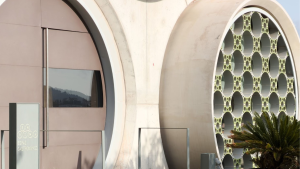
When architecture integrates into the landscape, it does not seek prominence. It accompanies. It dialogues with the environment instead of imposing itself upon it. Materials, lines, and proportions respond to a clear intention: to belong.
In spaces like Mastinell Cava & Hotel, architecture is not understood as an isolated gesture, but as a natural extension of the place. The building makes sense when it is explored slowly, when the interior opens to the exterior, and when the landscape enters the inhabited space without imposing itself.
Here, design does not seek to distract.
It seeks to frame the experience.
Wine as memory of place
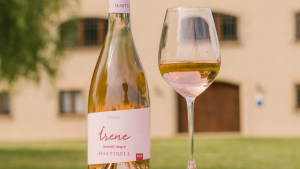
Wine is not explained solely by its taste. It is explained by the soil, the climate, the orientation, and the human decisions that accompany it. Traveling to places where wine is born allows us to understand it as a cultural expression, not as a product disconnected from its origin.
In winter, this connection is perceived with greater clarity. Without harvest or mass visits, wine recovers its more reflective dimension. It is drunk calmly, its story is heard, and its relationship with the landscape is understood.
The journey then becomes a form of silent learning.
Gastronomy born from the landscape
The cuisine that best fits this type of journey is one that understands the product as part of the territory. A gastronomy that does not seek to constantly surprise, but to accompany the moment.
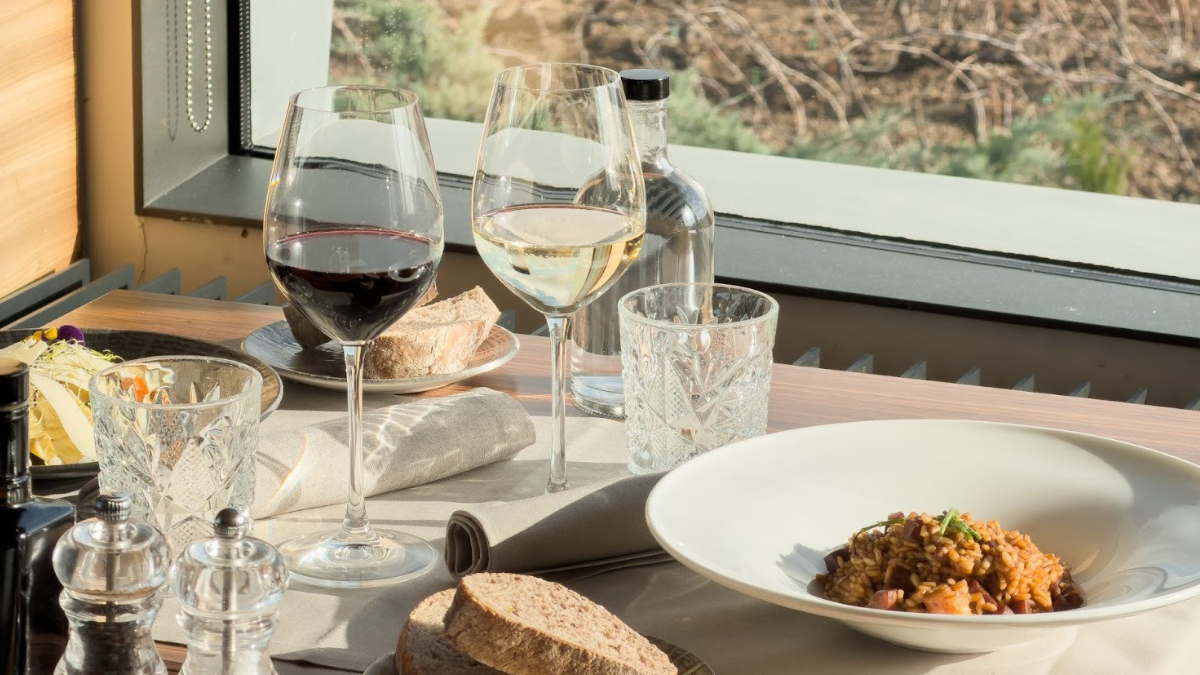
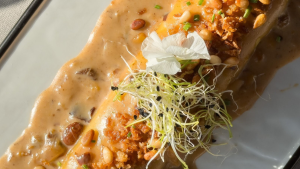
In restaurants like En Rima, the gastronomic proposal is built from proximity, seasonality, and respect for origin. Eating becomes another way of reading the landscape, of understanding its climate and culture.
There is no rupture between what is seen outside and what arrives on the plate.
Everything responds to the same logic.
Traveling slowly to understand better
This type of experience does not lend itself to full agendas or accelerated itineraries. It needs time, silence, and a certain willingness to observe. Walking unhurriedly. Sitting. Watching how the light changes over the environment. Tasting without urgency.
Traveling this way does not seek constant entertainment. It seeks coherence. A way of traveling where landscape, architecture, wine, and gastronomy share the same language.
And when that happens, the memory does not fade upon returning.
It stays.
Some common questions about territory-linked travel
What differentiates this type of travel from more conventional ones?
The experience is not based on accumulating activities, but on understanding the place from its origin, its landscape, and its culture.
Why is winter a good time for this type of experience?
Because the territory shows itself more honestly, without artifices or haste, and allows a more direct relationship with the environment.
What role does architecture play in this type of travel?
It acts as a mediator between the landscape and the traveler, framing the experience without imposing itself.
How is gastronomy integrated into this context?
As a natural extension of the territory, based on product, seasonality, and coherence with the environment.
Is this type of travel only for wine or gastronomy experts?
No. It is a journey for those seeking depth, authenticity, and a more conscious relationship with the places they visit.


